
Table of Contents
If you are reading this, chances are you have noticed something “off” about your dog’s nails. Maybe one looks discolored, or perhaps it has become brittle and started to crumble. As a veterinarian with over a decade of experience, I see worried owners come into my clinic with this issue quite frequently. It can be unsettling to see your dog’s sturdy claws turning into something fragile and unhealthy.
First, take a deep breath. While nail issues can be stubborn and frustrating, you are in the right place. This guide is dedicated strictly to understanding and treating fungal nail infections in dogs. We aren’t going to get sidetracked by other skin conditions or bacterial complications here; we are focusing entirely on the fungus that is compromising your dog’s nail health and how we can work together to clear it up.
What Is a Fungal Nail Infection in Dogs?
To understand how to treat the problem, we first need to understand what is happening at the microscopic level. A fungal nail infection, medically known as onychomycosis, occurs when fungal spores take up residence in or on the keratin of your dog’s claw.
Think of the nail as a hard, protective shell made of keratin. In a healthy dog, this shell is sealed and tough. However, certain fungi feed on this keratin. When they infect the nail, they effectively start “eating away” at the structure of the claw.
In my practice, I often explain it to owners like this: Imagine a shield that is slowly turning into chalk. The infection usually sits deep within the layers of the hard outer shell or settles into the nail bed (the sensitive tissue underneath). Because the fungus lives inside the hard layers of the nail, it is protected from the outside world, which is exactly why these infections can be so tricky to get rid of without the right approach.
What Causes Fungal Nail Infections in Dogs?
One of the most common questions I get in the exam room is, “How did this happen?” It is rarely the owner’s fault, so please don’t blame yourself. Fungi are opportunistic organisms that exist everywhere in our environment, particularly in soil.
Here are the primary culprits I see leading to these infections:
Damp Environments
Fungi thrive in moisture. If you live in a humid climate, or if your dog loves swimming or walking through wet morning grass, their paws remain damp for long periods. This moisture softens the nail and creates the perfect breeding ground for fungal spores to settle in.
Poor Nail Hygiene
When mud and dirt get packed around the base of the nail and aren’t cleaned out, it traps moisture and fungal spores against the claw. Over time, this constant exposure can allow the fungus to breach the nail surface.
Long Nails
This is a factor many people overlook. When nails are too long, they exert pressure on the nail bed with every step the dog takes. This can cause microscopic cracks or stress fractures in the nail structure. These tiny cracks act like an open door, inviting fungus to enter the deep layers of the claw.
Weakened Immune System
In my older patients, or dogs with other underlying health conditions, the immune system might not be robust enough to fight off environmental spores. A healthy dog might walk on fungal spores and be fine, while a dog with a weaker system might develop an infection from the same walk.
Signs and Symptoms of a Fungal Nail Infection
Fungal infections in nails rarely appear overnight. They are slow-moving, which means the symptoms often creep up on owners. By the time I see the dog, the infection has usually been present for weeks or even months.
Here is what you should look for:
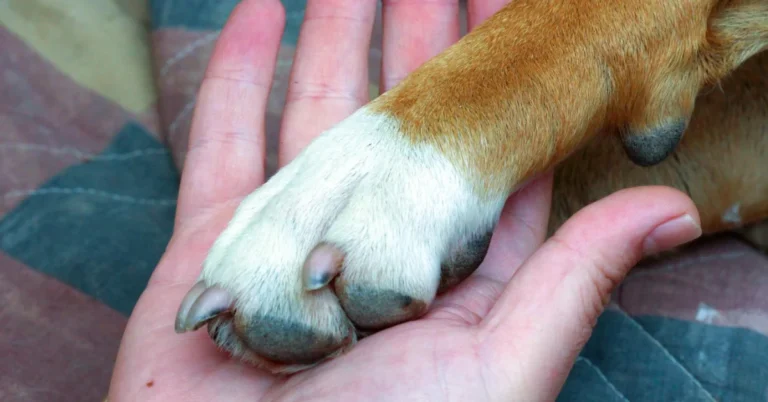
- Nail Discoloration: This is usually the first sign. The nail may turn a muddy brown, rust-red, or an opaque yellow color. It loses its natural shine and looks dull.
- Brittle or Crumbly Texture: Healthy nails are smooth. Infected nails often become rough and dry. You might notice pieces of the nail chipping off easily, or the nail might look like it is peeling in layers.
- Thickening of the Claw: Sometimes the nail doesn’t crumble; instead, it grows strangely thick and misshapen.
- Discomfort While Walking: While some fungal infections are painless, others cause sensitivity. You might notice your dog shifting weight off the affected paw or hesitating to walk on hard surfaces.
- Excessive Licking: Dogs lick what bothers them. If your dog is obsessively licking one specific toe, check the nail closely.
Dog Nail Fungal Infection Treatment Options
Once we have confirmed it is a fungus, we need a plan. Because dog nails have a limited blood supply compared to soft tissue, getting medication to the source of the infection is a challenge. This is why we need to be aggressive and consistent.
Veterinary Treatment for Fungal Nail Infections
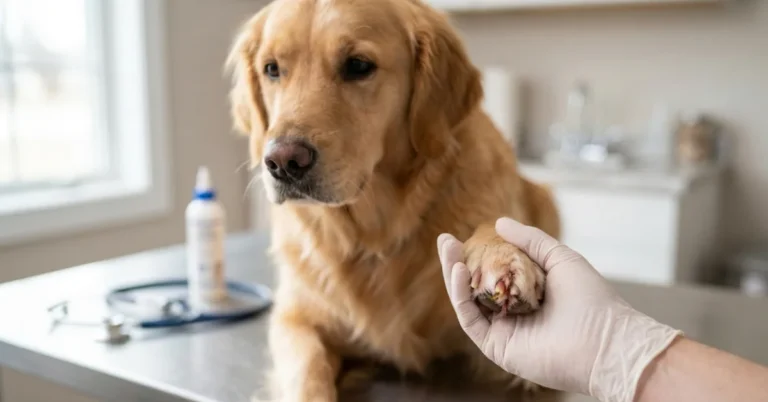
In almost all cases of established fungal nail infection, “wait and see” is not a strategy I recommend. Professional veterinary intervention is usually required to fully eradicate the fungus.
Systemic Antifungal Medication: Oral medication is often the heavy lifter in treatment. These medications work from the inside out, incorporating into the new nail as it grows. Because the old, infected nail has to grow out completely, these courses of medication can last for several months.
Topical Therapy: I often prescribe medicated soaks or specialized antifungal creams alongside oral medication. However, simply putting cream on top of a hard nail rarely works because it can’t penetrate the shell. We might need to file the nail down slightly (a procedure done in the clinic) to allow the medication to soak in.
Consistency is Key: I cannot stress this enough: you cannot skip doses. Fungi are resilient. If you stop treatment for a few days, the fungus can regain its foothold. Follow your vet’s instructions to the letter.
Supportive Home Care During Fungal Nail Treatment
While I handle the medical side, your job at home is to create an environment where the fungus cannot survive.
Keep Nails Clean and Dry: This is the most critical step. After every walk, wash your dog’s paws to remove dirt and spores, and then—this is the important part—dry them thoroughly. Use a towel to get in between the toes and around the nail beds. If the paws stay damp, the medication will have a much harder time working.
Safe Trimming Precautions: Keeping the infected nail short helps reduce the “food source” for the fungus and prevents the nail from snagging and tearing. However, infected nails can be painful and prone to splintering. Use sharp, high-quality clippers, or better yet, a rotary grinder (like a Dremel) to gently file the length down without crushing the brittle nail. If you are nervous about this, have a vet tech do it.
Preventing Licking or Chewing: Saliva is wet, and we want dry. Plus, licking removes topical medications. If your dog is obsessed with the nail, you may need to use an Elizabethan collar (the “cone of shame”) or a light sock during the day to prevent them from traumatizing the area.
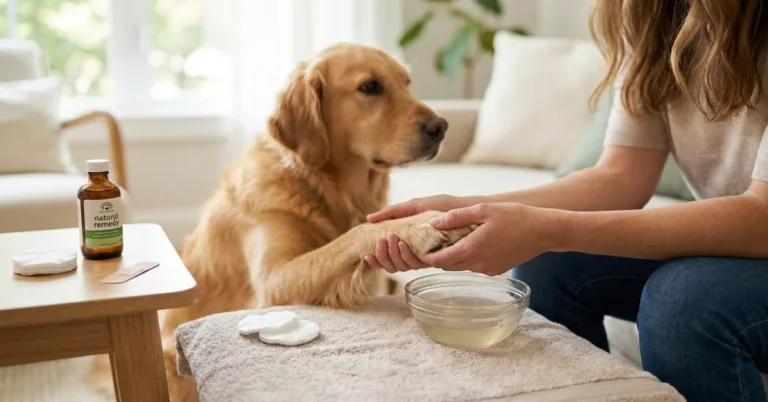
A Note on Home Remedies: I know there is a lot of advice online about soaking paws in various household liquids. Please be careful. While some acidic environments can discourage fungus, they rarely cure a deep nail infection on their own and can sometimes irritate the surrounding skin, causing new problems. Home care supports veterinary treatment; it does not replace it.
How Long Does a Fungal Nail Infection Take to Heal?
This is the hard part for owners. I always tell my clients: Think in months, not weeks.
A fingernail or claw is dead tissue; it doesn’t “heal” like a cut on the skin. The infected part of the nail usually remains damaged until it grows out and is clipped off. We are treating the new growth at the base of the nail to ensure it comes in healthy.
- Mild Cases: If we catch it very early, you might see improvement in 6 to 8 weeks.
- Severe Cases: For a full cure, where the nail looks completely normal again, it often takes 3 to 6 months. This depends on how fast your dog’s nails grow.
You will know the treatment is working when you see a band of clean, shiny, healthy nail emerging from the nail bed, pushing the ugly, discolored part further down.
Common Mistakes to Avoid During Treatment
In my years of practice, I have seen treatment fail mostly due to a few common errors. Avoid these to ensure your dog recovers faster.
- Stopping Treatment Too Early: This is the number one mistake. The nail might look 80% better, so the owner stops the medication to save money or hassle. Almost invariably, the remaining fungus flares up again. You must continue treatment until your vet gives the “all clear.”
- Allowing Moisture: Letting a dog with a fungal infection stay wet is like trying to put out a fire while pouring gasoline on it. You must be diligent about drying those paws.
- Delaying Veterinary Care: Trying to treat a deep nail fungus with over-the-counter creams for months allows the infection to spread to other toes. The sooner we start prescription treatment, the faster the resolution.
When to See a Vet for a Fungal Nail Infection
If you are treating a fungal infection and notice any of the following, please call your vet immediately:
- Pain Increases: If your dog starts limping significantly or cries out when you touch the paw.
- The Infection Spreads: If you notice nails on other paws starting to look discolored.
- Redness at the Base: If the skin around the nail becomes angry, red, or swollen, the infection may be moving from the nail into the soft tissue.
- No Improvement: If you have been treating it for 6 weeks and see absolutely no change in the new nail growth.
Preventing Future Fungal Nail Infections
Once you have gone through the long process of curing a fungal nail infection, you never want to do it again. Prevention is largely about hygiene and observation.
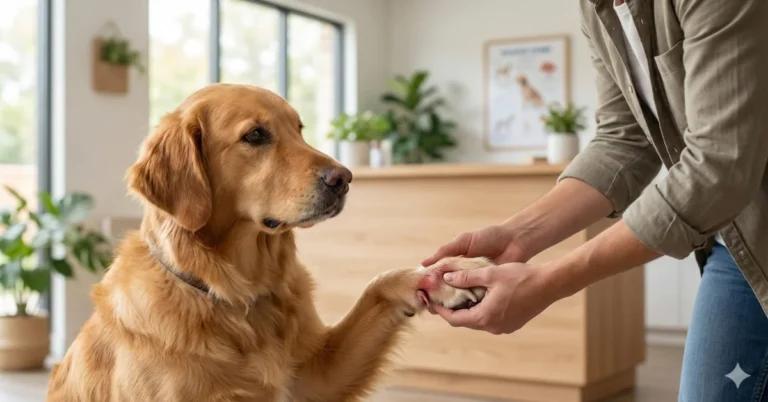
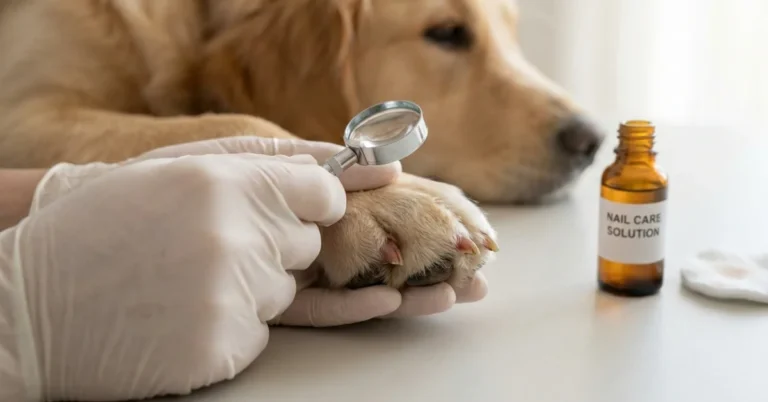
- Routine Inspections: Make it a habit to look at your dog’s nails closely once a week. I do this with my own dogs during cuddle time. Look for any changes in color or texture.
- Post-Walk Routine: If you walk in muddy or wet areas, rinse and dry the paws. It takes two minutes but saves months of trouble.
- Sanitize Tools: If you clip your dog’s nails at home, wipe your clippers with rubbing alcohol before and after use. This kills spores that might be lingering on the metal.
- Keep Nails Short: Regular trimming prevents the leverage and cracking that allows fungus to enter.
Frequently Asked Questions About Dog Nail Fungal Infection Treatment
Can fungal nail infections heal on their own?
No, it is highly unlikely. Because the fungus lives in the hard keratin structure where the body’s immune system has trouble reaching, these infections tend to worsen over time rather than resolve spontaneously.
Are fungal nail infections contagious?
Yes, they can be. Some types of fungus (like Ringworm) can spread to other pets or even to humans. Until the infection is cleared, wash your hands thoroughly after handling your dog’s paws and try to keep them off shared bedding where possible.
Can I walk my dog during treatment?
Absolutely. Exercise is important for immune health. However, try to avoid puddles, mud, or deep wet grass. If you do encounter wet terrain, just be sure to dry the paws immediately upon returning home.
Do fungal nail infections come back?
They can if the underlying cause isn’t addressed. If your dog has a low-grade immune issue or continues to spend time in very damp environments without drying, the fungus can return. This is why maintenance of paw hygiene is a lifetime commitment.
Final Veterinary Advice for Dog Owners
Dealing with a fungal nail infection is a test of patience. I know it isn’t easy to manage a daily routine of medication and paw drying for months on end. But I also know that seeing your dog walk comfortably on strong, healthy nails again is worth the effort.
Please remember to be gentle with your dog during this time. Their paws may be tender, and they rely on you to help them heal. Stick to the plan, trust the process, and stay in touch with your veterinarian. We are on your team, and we want to see those tails wagging and paws healthy just as much as you do.
Disclaimer: This article is for informational purposes only and is based on veterinary experience. It does not constitute a formal medical diagnosis. Always consult your local veterinarian for specific advice regarding your dog’s health and treatment plans.
One Comment