
Table of Contents
If you are looking at your dog’s paw right now and seeing a crack running up the length of the nail, I know the feeling of concern that immediately sets in. You might be worried about pain, bleeding, or just how on earth you are going to fix a hard shell that has broken in two.
You are in the right place. As a veterinarian with over a decade of experience treating active dogs, I see vertical nail splits regularly. It is one of the most common physical injuries to the paw that brings owners into my clinic. Unlike a simple broken tip, a vertical split can be a bit more complex because of how it interacts with the sensitive core of the nail.
This guide is entirely focused on vertically split nails. We aren’t going to talk about infections or diseases here. We are going to focus on the mechanics of the break, why it happened, and exactly what you need to do to get your dog walking comfortably again.
What Does It Mean When a Dog’s Nail Splits Vertically?
To understand a vertical split, we have to look at the anatomy of the nail. A dog’s nail is essentially a hard, keratin shell wrapping around a sensitive, blood-filled core called the “quick.”
When a nail splits vertically, it means the hard outer shell has cracked lengthwise—from the tip moving upwards toward the paw, or sometimes from the base downwards. This is often called a “slab fracture” or a longitudinal split.
Think of it like a piece of firewood being split down the middle by an axe.
This is different from a horizontal break, where just the tip snaps off. A vertical split is problematic because the two halves of the shell can move independently. Every time your dog takes a step, those two pieces can shift and pinch the sensitive quick inside, much like a pebble in a shoe, but significantly sharper.
Common Causes of a Dog Nail Splitting Vertically
One of the first things owners ask me is, “Did I do something wrong?” Usually, the answer is no. Vertical splits are often a matter of physics and leverage. Here are the most common mechanical causes I see in my practice:
Overgrown Nails
This is the number one culprit. When a nail is too long, it touches the ground before the paw pad does. This creates tremendous leverage. If the nail hits the ground at a bad angle, the force travels up the nail shaft and can shear it vertically. It is simple mechanics: a longer lever arm breaks more easily under pressure.
Repeated Impact on Hard Surfaces
Dogs that run frequently on concrete, asphalt, or hard-packed dirt are subjecting their nails to high-impact vibrations. Over time, these micro-impacts can weaken the keratin structure, leading to a sudden vertical split during a normal run.
Weak or Brittle Nails
Just like humans, some dogs naturally have more brittle nails than others. Age plays a role here, as senior dogs often have drier, harder nails that lose flexibility. When a nail loses its ability to flex slightly upon impact, it is more likely to crack.
Improper Nail Trimming
Sometimes, dull clippers are to blame. If your clippers crush the nail rather than slicing through it cleanly, they can create a hairline fracture. You might not see it immediately, but that tiny crack can expand vertically up the nail over the next few days as the dog walks.
Activity-Related Stress
I see this often in agility dogs or active hikers. Scrambling up rocks or digging intensely puts localized pressure on the sides of the nails, forcing them apart.
Signs and Symptoms of a Vertical Nail Split
Sometimes the split is obvious, but other times it is hidden beneath fur or mud. Here is what you should look for if you suspect a vertical split:
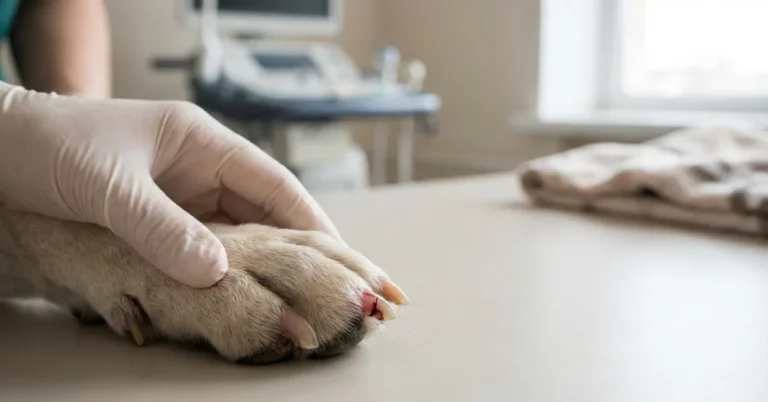
- Visible Vertical Crack: The most obvious sign is a visible line running up the nail. Sometimes a piece of the nail (the “slab”) is hanging loosely on one side.
- Nail Catching on Surfaces: You might hear a “clicking” sound that is different from their normal gait, or notice the nail snagging on carpets, blankets, or grass.
- Discomfort While Walking: Your dog might limp, hold the paw up, or hesitate to put full weight on that specific toe. The pain often happens specifically when pressure is applied to the nail.
- Licking or Chewing the Paw: Dogs try to “fix” injuries with their tongues. If your dog is relentlessly licking one toe, inspect it closely.
- Mild Bleeding: If the split has reached the quick, you might see spots of blood on your floor or bedding. However, not all vertical splits bleed; some are just cracks in the hard shell.
Is a Vertically Split Dog Nail Painful?
The short answer is: It depends on the depth.
The outer shell of the nail has no nerve endings—it is just like your fingernail. If the vertical split is shallow and only affects the top layer of the shell, your dog might not feel a thing. They might walk and run completely normally.
However, if the split goes deep enough to expose or disturb the quick (the pink part inside), it can be excruciating.
Imagine having a hangnail that gets pulled every time you touch a doorknob. That is what a deep vertical split feels like for a dog. The two loose halves of the nail act like a pincer. When the dog steps down, the nail spreads apart; when they lift their paw, it snaps back together. This constant motion against the raw nerve endings in the quick causes sharp, intermittent pain.
Dog Nail Split Vertically – Treatment Options
Treatment largely depends on where the split is and how much pain the dog is in. We can break this down into situations where you can manage it at home versus when you need to come see me.
When Home Care May Be Enough
If the split is very minor, located only at the very tip of the nail, and your dog is not showing signs of pain (no limping, no licking), you may be able to manage this at home.
This article may contain affiliate links. We may earn a small commission at no extra cost to you.
- The “Trim” Technique: If you are confident with clippers, you can gently trim the nail just above the split to remove the damaged tip. This prevents the crack from traveling further up.
- Filing: Use a nail file or a rotary tool to smooth out rough edges. The goal is to make the nail smooth so it doesn’t catch on the carpet and rip further.
- Observation: Monitor the nail daily. If the crack starts to lengthen or if your dog begins to bother with it, home care is no longer sufficient.
When Veterinary Care Is Necessary
You should schedule a vet visit if the split extends high up toward the toe, if there is bleeding, or if your dog is in pain. Here is why we need to intervene:
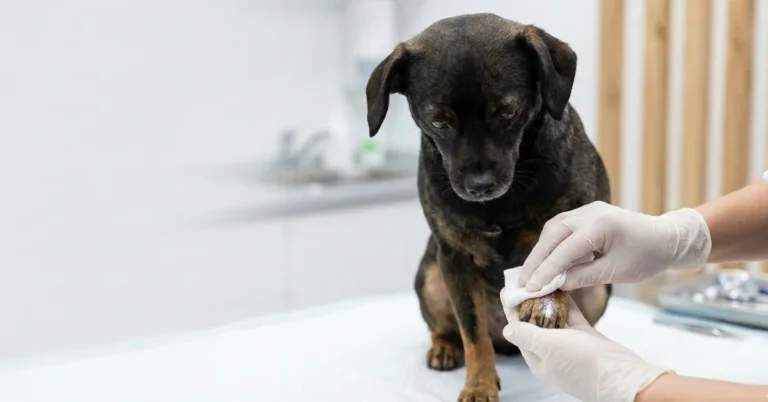
- Deep Splits: We need to remove the broken piece of nail that is moving around. This often requires sedation or a local nerve block because pulling that piece off is painful for a brief second.
- Nail Instability: If the split goes all the way to the nail bed, the nail structure is compromised. We may need to trim the nail back significantly to allow it to regrow as a solid unit.
- Bleeding: If the quick is exposed, we need to stop the bleeding and protect the raw tissue while it keratinizes (hardens).
- Pain Management: I often prescribe pain relief for a few days. Walking on an exposed quick is tender, and we want your dog to be comfortable.
How Long Does a Vertically Split Dog Nail Take to Heal?
This is the question every owner asks me. It is important to understand that the nail itself does not “knit” back together. The crack will not fuse shut like a broken bone does.
Healing a split nail is a game of growth and maintenance.
- The Process: The damaged part of the nail has to grow out completely. We manage the injury by keeping the nail short and preventing the split from spreading to the new growth coming from the nail bed.
- Minor Cases: If the split is near the tip, it might grow out and be clipped off in 2 to 3 weeks.
- Severe Cases: If the split goes all the way to the base (the cuticle), you have to wait for the entire nail to replace itself. Dog nails grow relatively slowly. It can take several months for a nail to completely regrow from base to tip.
During this time, the “healing” refers to the exposed quick drying out and becoming less sensitive, which usually happens within 7 to 10 days. After that, it is just a matter of waiting for the nail to grow.
Common Mistakes to Avoid With a Split Dog Nail
I see many well-meaning owners accidentally make the situation worse. Here are the pitfalls to avoid:
- Ignoring the Split: “It’s just a broken nail” is a dangerous mindset. A small vertical crack can zip all the way up to the toe if it catches on a rug, turning a minor trim into a bloody injury.
- Allowing the Nail to Grow Longer: You might be afraid to cut the nail because it is hurt, but letting it grow long increases the leverage and torque on the split. You must keep that nail short (carefully!) during the healing process.
- Cutting the Nail Incorrectly: Using dull trimmers on a split nail crushes it, widening the crack. Use high-quality, sharp scissor-style clippers or a grinder.
- Letting the Dog Stay Overly Active: If your dog runs hard on a split nail, the impact forces the crack open. You generally need to rest your dog or stick to leash walks on soft grass for a week or two.
- Using Superglue: I have heard of owners trying to glue the nail back together. Please do not do this. Glue traps debris inside the crack and rarely holds against the forces of walking. It can also irritate the sensitive tissue of the quick.
How to Prevent Dog Nails From Splitting Vertically
Prevention is always better than cure, and fortunately, avoiding split nails is largely about maintenance.
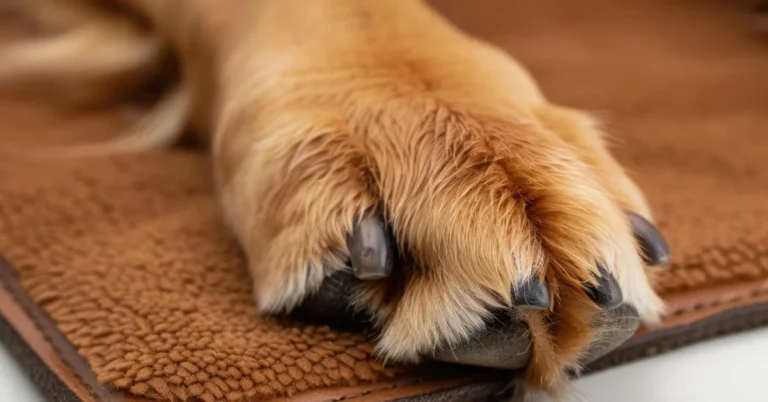
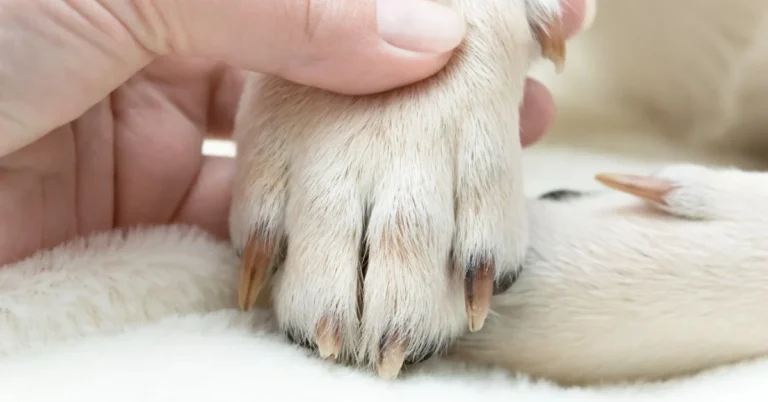
- Proper Nail Length: This is the single most effective preventative measure. Keep your dog’s nails short enough that they do not click on the floor. If the nail doesn’t touch the ground, it can’t be jammed or leveraged into splitting.
- Regular Trimming Routine: Small, frequent trims (every 2-3 weeks) are better than one big chop every two months. This keeps the “quick” receded and the shell healthy.
- Safe Walking Surfaces: If you run with your dog, try to vary the terrain. Constant pounding on asphalt is hard on nails (and joints). alternating with grass or dirt trails helps reduce the impact shock.
- Routine Nail Inspection: Check your dog’s paws weekly. Look for tiny hairline fractures at the tip of the nail. If you see one, file it smooth immediately before it has a chance to travel up the nail.
Frequently Asked Questions About Dog Nail Split Vertically
Can a vertically split nail heal on its own?
? The split itself will never repair or seal shut. The nail has to grow out past the split so the damaged part can be trimmed away. However, the pain associated with it will subside as the exposed quick heals and hardens.
Should I trim a split nail?
If the piece of nail is dangling loosely and causing pain, it should be removed. If you are unsure how to do this or if it looks attached to the pink quick, let a veterinarian do it. Cutting into the quick is painful and bloody.
Can my dog walk with a split nail?
Yes, but carefully. If the split is deep, they will likely limp. Short, controlled leash walks are fine, but no fetching or roughhousing until the nail is stable and not sensitive.
Will the nail split again after healing?
? If the nail bed (the “root” of the nail) wasn’t damaged, the new nail should grow in strong and whole. However, if the trauma that caused the split also damaged the nail matrix, the nail might always grow with a slight ridge or weakness, making it prone to splitting again in the future.
Final Veterinary Advice for Dog Owners
Seeing blood or a crack in your dog’s nail is startling, but I want to reassure you that vertical nail splits are very manageable. They look worse than they are. With the right care—keeping it clean, keeping it short, and protecting it from further trauma—your dog will be back to their normal self relatively quickly.
The most important takeaway is to respect the mechanics of the paw. Short nails are strong nails. By keeping up with routine trims, you are doing the best possible job protecting your dog from this painful injury.
As always, trust your gut. If your dog seems distressed or if you aren’t comfortable handling the paw, bring them in to see us. That is what we are here for.
Disclaimer: This article is for informational purposes only and is based on veterinary experience with physical injuries. It does not constitute a formal medical diagnosis. Always consult your local veterinarian for specific advice regarding your dog’s injury and treatment.

2 Comments